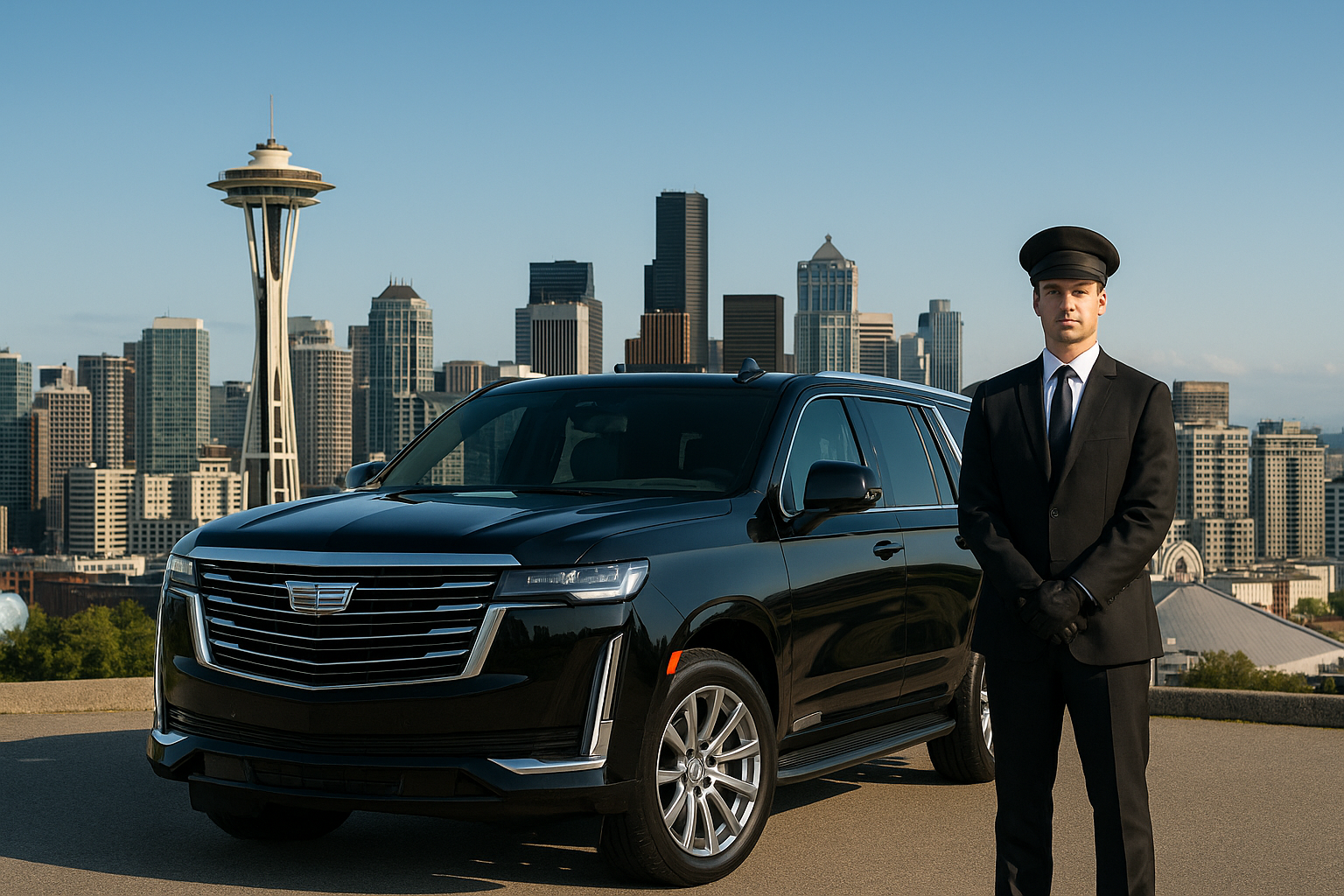
The most impressive vehicle isn’t always the right one for a corporate journey. An executive ground transportation service should match the vehicle to the passenger group, luggage, itinerary, and level of privacy the trip requires. The right fit keeps airport arrivals, client meetings, and business events composed and comfortable.
It makes sense to look beyond appearance. A premium sedan can suit an executive travelling alone, while an SUV, van, or mini coach may better serve a team or a more involved itinerary. The choice affects how easily everyone travels between stops and how much room there is for bags.
This guide explains how to choose among executive sedans, SUVs, vans, and larger group vehicles for corporate travel. It covers practical decision points, including passenger and luggage needs, scheduling, route planning, and booking. Weigh these factors to select private chauffeur transportation that fits the trip, rather than defaulting to the largest or most conspicuous vehicle.
Key Takeaways
- Match the vehicle to the group, luggage, and purpose of the journey, not appearance alone.
- Plan airport and cruise terminal pickups around arrival coordination, luggage handling, and the onward itinerary.
- Share a clear schedule and route details when arranging corporate travel across multiple stops.
- Understand how chauffeur-driven transport can support executive journeys, meetings, and business travel arrangements.
- Compare sedans, transit vans, and mini coaches to find the right balance of space, privacy, and comfort.
Airport transfers
Airport and cruise terminal transfers work best with accurate arrival details and a clear pickup plan. Flight information, luggage, and the onward destination all help shape the journey.
Airport Meet-and-Greet Assistance
A meet-and-greet plan should give arriving passengers a clear way to identify their chauffeur, such as an agreed meeting point and passenger name. Specify whether the pickup is inside the terminal or curbside, since the meeting locations differ. Note luggage needs as well, especially when passengers have several cases or need help moving bags to the vehicle.
For a cruise arrival, include the terminal and onward destination in the itinerary. This keeps the pickup plan clear and distinct from an airport transfer.
Safety and Security Standards
Professional transportation relies on safe driving, well-maintained vehicles, and discreet handling of passenger information. A clear pickup plan helps passengers identify their chauffeur and vehicle without exposing unnecessary personal details. For executives, privacy matters from the moment a name or destination is added to the itinerary. Clear communication and a defined meeting point also reduce confusion in busy arrival areas.
For an event or business meeting, include the destination and account for expected traffic when planning the itinerary.
Airport and City Service Areas
Which providers serve a particular city or airport depends on their operating network and the route requested. The booking details should identify both the pickup location and destination so the journey can be arranged as a complete transfer. For corporate travel, BLACKWAZE’s corporate transportation services address planned business journeys.
Flight tracking helps coordinate a pickup by connecting arrival information with the reservation. If a flight time changes, updated arrival details help align the plan with the passenger’s arrival. They do not replace a clear meeting point or accurate destination. For onward travel from an airport or cruise terminal, plan the full route, including traffic and any scheduled stops.
Wait-time allowances are another detail to settle before travel. For domestic airport pickups, the service provides 45 minutes of complimentary wait time. For international airport pickups, the service provides 1 hour and 30 minutes of complimentary wait time. Standard pickups include 20 minutes of complimentary wait time. Confirming which pickup category applies helps passengers understand the allowance attached to their reservation and coordinate their arrival accordingly. These stated periods can be considered alongside flight details and the agreed meeting point when arranging a transfer.
The advertised starting price offers a reference point, but the pickup plan still needs to reflect arrival details, luggage, and the onward destination. Make the requested service and collection location clear when booking, so the transfer is arranged around the actual trip rather than treated as a generic airport pickup.
Why Choose Executive Car Service?
An executive ground transportation service supports a meeting-led itinerary with a professional chauffeur and a prearranged route. Corporate accounts and reservations can align the vehicle, schedule, and service with a company’s travel plans.
Corporate Accounts and Partnerships
Corporate accounts help organize repeat bookings for executives, employees, and visiting clients. A travel coordinator can provide passenger names, pickup points, destinations, and timing through a consistent booking process. For example, a company hosting a client can arrange separate hotel, office, and return transfers.
B2B partnerships and affiliate bookings can extend coordination across cities. The booking process should clarify which party handles each transfer and communicates itinerary changes. For long-distance journeys, compare a direct chauffeur-driven route with a sequence of flight, airport, and ground connections. An intercity chauffeur journey may suit executives travelling between business destinations.
Comparing Rates with Other Ride Services
There is no single rate comparison for every executive car, taxi, or rideshare journey. Trips differ by route, timing, vehicle, service duration, and whether a dedicated chauffeur is included. A short point-to-point ride and a multi-stop corporate itinerary are different services, even if they share a destination.
Compare the complete journey rather than one headline fare. Note whether the trip is prearranged, whether stops are included, and how changes affect the itinerary. Price depends on the route, vehicle, duration, and service scope. Customers can review pricing through the online booking process before completing a reservation. These factors give a business account a clearer basis for planning travel across several meetings.
Licensing and Insurance Verification
Licensing and insurance requirements vary by jurisdiction, so use the relevant transport regulator or government licensing register for verification. Match the provider’s legal business name to the register, then review documents for operating authority and vehicle coverage. For international travel, assess each jurisdiction separately rather than assuming one credential applies everywhere.
Before booking, confirm that the named provider and vehicle are covered for the journey. The booking confirmation should identify the transportation company responsible for the trip. This helps corporate travel teams document who is providing the service and which records support the arrangement.
Professional booking lead times and route planning for corporate ground transportation
Book once the travel date, pickup point, and destination are known. A complete itinerary helps the transportation team plan around appointments, traffic, and the passenger’s schedule.
Recommended Booking Lead Times
Booking lead time depends on the itinerary, requested vehicle category, travel period, and number of stops. Reserve once the key details are settled, especially for a major event or several coordinated pickups. Sharing the plan early gives the booking team useful context for arranging the requested service.
For a meeting day, provide the first pickup, appointment times, and final destination together. Include the hotel, office, and event venue if they are part of the route. Add any family members travelling with the executive to the passenger count, and provide luggage details so the reservation reflects everyone’s needs.
Plan the route around the order of appointments, not just the shortest distance between addresses. A hotel pickup, client meeting, and evening event, for example, create a sequence the chauffeur can follow. Account for expected traffic and the time needed at each stop. A clear itinerary supports punctuality and reduces uncertainty during a tightly scheduled day.
How does a provider handle ride reservations?
A reservation starts with the travel date, pickup address, destination, passenger information, and requested service. The booking team uses these details to prepare the trip record and schedule. For a return journey, include both directions. For a meeting itinerary, list every stop in order, with its address and appointment time.
Review the booking confirmation for accurate names, addresses, and itinerary details. If an office meeting moves or an event venue changes, share the updated information so the reservation reflects the revised plan. A corporate coordinator can manage these details for an executive or visiting client and keep the itinerary consistent for both the passenger and transportation team.
Choose a booking format that fits the day. A direct transfer suits a single journey, while an hourly reservation can accommodate several planned stops. For itinerary updates, share the revised details through the booking channel. If a client adds a hotel stop before an event, for instance, provide its address and position in the route so the chauffeur’s schedule reflects the change.

Vehicle types and passenger and luggage capacity
Choose a vehicle by matching passenger numbers, luggage, and itinerary. The right category supports a comfortable journey, whether an executive is travelling between meetings or arriving by air.
Vehicle Categories and Options
Common categories include executive sedans, premium SUVs, transit vans, and mini coaches. A sedan may suit an individual executive or small delegation, while a van or coach can keep a larger team together. Vehicle names alone don’t establish capacity, so compare the stated passenger and baggage limits for the specific option.
For corporate occasions, consider the journey as well as the vehicle. An airport transfer with several suitcases has different needs from a hotel-to-meeting trip with hand luggage. A corporate vehicle selection guide can help frame that decision around comfort, space, and itinerary.
Passenger Capacity
Capacity examples show how categories differ. An executive sedan accommodates up to 3 passengers, while a full-size SUV accommodates up to 6 passengers. A listed Sprinter van can carry up to 13 passengers; a mini coach can accommodate up to 14. These are examples of vehicle-category capacities, not a guarantee for every model or configuration.
For a delegation, count every passenger before choosing. A group of 6 may fit an SUV by passenger capacity, but luggage can change the practical choice. For a larger group, a van or mini coach may keep colleagues together rather than splitting the party across vehicles.
Luggage and Baggage Capacity
Baggage limits matter just as much. A premium sedan example accommodates 3 passengers and 3 pieces of luggage, while a full-size SUV example accommodates 6 passengers and 6 pieces. A listed transit van carries 10 passengers and 10 bags. A Sprinter van example accommodates up to 13 passengers and 14 pieces of luggage.
Count large suitcases, carry-ons, presentation materials, and equipment separately when planning a flight transfer. Passenger capacity may not reflect usable space when bags are bulky. A mini coach example accommodates up to 14 passengers and 14 bags, while a Sprinter limo carries up to 10 passengers and 14 pieces of luggage.
Before confirming an option, align the passenger total and bag count with the specific vehicle category. For example, a 3-person executive team with several large cases may need more luggage room than a light-bag meeting transfer. That distinction helps the vehicle support the schedule, comfort, and purpose of the occasion.
Executive sedans, transit vans, and mini coaches
Vehicle choice shapes how a corporate group travels between meetings, airports, and events. Compare passenger space and luggage capacity before booking luxury transportation.
An executive sedan suits a solo executive or a compact business party. Fleet examples list executive sedans for up to 3 passengers, with room for 3-4 bags. That balance can work for a client travelling with presentation materials and a small suitcase. A premium black car service also offers a discreet setting for point-to-point business travel.
A transit van is practical when colleagues need to travel together. One listed 10 Passenger Transit Van accommodates up to 10 passengers and carries 10 bags. This arrangement can handle a team transfer between a hotel, office, and event without dividing the group. Confirm the bag count and sizes, especially when luggage includes equipment or larger cases.
A mini coach suits a larger delegation travelling on a shared schedule. One listed 14 Passenger Mini Coach accommodates up to 14 passengers and carries 14 bags. For a conference arrival, that capacity can keep attendees together from the airport to the venue. It also simplifies coordination when the itinerary includes several business stops.
Different vehicles serve different needs. A sedan prioritizes individual comfort and a composed arrival. An executive van balances group travel with luggage space, while a larger group vehicle can accommodate more passengers and bags. For a corporate dinner or other special occasion, choose according to the group’s route and travel needs, not appearance alone.
Capacity depends on the specific vehicle, its interior layout, and the dimensions of the luggage. A team carrying display materials may need a different arrangement from colleagues travelling with carry-on bags. Provide passenger numbers, bag counts, and details of bulky items when coordinating the booking.
For a practical choice, match the vehicle to the largest passenger group and its luggage, then consider comfort and itinerary. A sedan can suit an individual executive, while an executive van can keep a working team together. Larger vehicles can support a bigger delegation. This approach helps avoid booking more space than needed or overcrowding the cabin.
BLACKWAZE™
BLACKWAZE™ provides premium chauffeur transportation for corporate travel that calls for a private vehicle and professional coordination. The right arrangement depends on the journey, whether it is a direct airport transfer, a day with several appointments, or travel between scheduled stops. Share the route, timing, passenger count, and luggage needs to shape the booking around the actual trip.
Airport Transfers are designed for planned journeys between an airport and a destination, with flight tracking, meet-and-greet, and free wait time included. Provide the arrival details, pickup point, passenger name, and onward address when booking. For executives connecting to meetings, this information helps align the transfer with the business schedule. If the itinerary includes several appointments, an hourly booking may be a better fit than separate point-to-point journeys.
Hourly Bookings provide a chauffeur for a planned period and include Unlimited Itinerary Stops. Executive Day Chauffeur suits a business day with multiple stops. These options work well when meetings, a hotel, and an event form one connected itinerary. Include destinations in order and share any known schedule changes, so the chauffeur can follow the requested plan.
Chauffeur for Medical Appointments provides pre-arranged transportation to an appointment. It is not emergency medical transport. Across these options, choose the service format that fits the journey and provide accurate pickup and destination details. Passenger numbers, luggage, appointment timing, and intermediate stops all help shape the plan.
Corporate coordinators can simplify travel arrangements for an executive or visiting colleague with a complete booking brief. Include the traveller’s name, pickup location, destination, travel date, and relevant itinerary details. For an airport journey, provide flight information. For a multi-stop day, list the stops in order with their timing. These details help align the reservation with the traveller’s needs.
BLACKWAZE brings these chauffeur options together for business and personal journeys requiring planned private transportation. Review the itinerary, decide whether a transfer or a longer booking fits, and submit the relevant details through the booking process. To arrange an upcoming journey, reserve online at BLACKWAZE™.
Frequently Asked Questions
Where will my chauffeur meet me at LAX?
Follow the pickup instructions in your reservation. The meeting point depends on the arrangement, so use the specified terminal details rather than assuming collection is curbside. Keep your phone accessible and have the passenger name and destination from the booking at hand. If arrival plans change, use the reservation’s communication channel to share updated details.
What is executive ground transportation?
An executive ground transportation service provides pre-arranged, chauffeur-driven travel for business and other planned journeys. It can connect an airport, hotel, office, meeting venue, and other scheduled stops. Professionalism and discretion are central to the experience. BLACKWAZE chauffeurs are background-checked, suit-clad, NDA-signed, and trained in defensive driving, etiquette, and discretion.
What services do executive ground transportation companies offer?
Services can include airport transfers, point-to-point journeys, and chauffeur bookings for a set period. BLACKWAZE offers Airport Transfers, Hourly Bookings, Executive Day Chauffeur, and Chauffeur for Medical Appointments. An executive with meetings at several venues may choose a day booking, while a traveller going directly from an airport to a hotel may need a transfer.
How can I reserve executive ground transportation with a professional provider?
Use BLACKWAZE’s online booking widget for an instant quote and booking in under 60 seconds, or book through the BLACKWAZE app. Enter the travel date, pickup and destination details, service type, passenger count, and luggage needs. Review the itinerary before confirming so the reservation reflects the intended journey. Payments are processed securely through Stripe.
What vehicle types are available for executive transportation?
Options include executive sedans, premium SUVs, and Sprinter executive vans. A Mercedes-Benz S-Class or Mercedes-Maybach S-Class accommodates up to 2 passengers. A Cadillac Escalade or Range Rover accommodates up to 5 passengers. Sprinter executive vans accommodate 7-12 passengers. Every vehicle includes chilled water and Wi-Fi. Match the passenger count and luggage needs to the specific vehicle category.
What is the cancellation and waiting-time policy for executive car services?
Cancellation terms depend on the reservation, so review the applicable terms before confirming or changing a booking. Airport Transfers include free wait time, and the reservation details set out the terms for the trip. Airport waiting time and cancellation deadlines are separate, so review both when planning around a delayed arrival or schedule change.
How can a provider coordinate airport pickup and flight monitoring?
Provide the flight details when arranging an airport transfer so arrival information can support pickup coordination. BLACKWAZE airport transfers include flight tracking, meet-and-greet, and porter service. The booking also includes a 60-minute flight-tracked pickup guarantee. Keep the reservation’s passenger and destination details accurate, especially when an itinerary changes, so the pickup plan matches the traveller’s arrangements.